
Minnesota’s push for federal rural-health transformation funds may support infrastructure and access, but the investment will not fully address the Medicaid gaps emerging across the state’s rural communities.
The Minnesota Department of Health has submitted an application under the federal Rural Health Transformation Program seeking up to $1 billion over five years. The proposal focuses on workforce stabilization, mobile care models, technology-enabled services and new partnerships among rural hospitals and clinics. These investments are intended to help rural providers adapt to ongoing shortages, rising operating costs and limited access to specialty care.
At the same time, national analysts estimate that rural communities across the country face more than $137 billion in Medicaid-related funding reductions over the next decade. Even if Minnesota secures the maximum award, the federal program is expected to cover only a small portion of the financial pressure facing rural systems. A recent statewide report highlighted the severity of the problem: EMS agencies losing certifications, declining provider availability and slower adoption of telehealth in areas where distance already complicates care. Together, these factors suggest that Minnesota’s rural-health investment, while meaningful, may arrive too late or fall short of what rural communities need.
For rural home and community-based services (HCBS) and IDD providers, these gaps translate into real operational challenges. Many agencies rely almost entirely on Medicaid to fund day-to-day supports. Higher travel costs, limited behavioral-health partners and chronic workforce shortages already strain rural programs. If Medicaid funding tightens further, agencies may see longer waitlists, slower reimbursements and reduced capacity for crisis stabilization or community integration. The disparity between available rural-health dollars and the actual scale of need increases the risk of service disruption.
Rural IDD agencies should review their reliance on Medicaid funding, identify areas of operational vulnerability and stay connected with local hospitals, EMS partners and county systems to monitor broader infrastructure shifts. Agencies may also find opportunities within rural-health grants to support technology upgrades, workforce initiatives, transportation strategies and mobile support services, even if these funds do not directly cover core service delivery. Strengthening documentation, data tracking and care-coordination workflows can also help agencies adapt more effectively if reimbursement timelines or eligibility processes shift.
Minnesota’s pursuit of rural-health transformation funds is an important step in stabilizing rural infrastructure. But the larger Medicaid funding gap remains significant. Preparing early, monitoring policy developments and building flexible, resilient operations will help rural IDD providers meet rising demand with greater stability and confidence.
Get notifications for weekly updates
Get notifications for weekly updates

Connecticut advances disability legislation
This blog breaks down what the role involves, how to get started, and what to expect as you build a meaningful career supporting individuals with intellectual and developmental disabilities.
This blog breaks down what the role involves, how to get started, and what to expect as you build a meaningful career supporting individuals with intellectual and developmental disabilities.
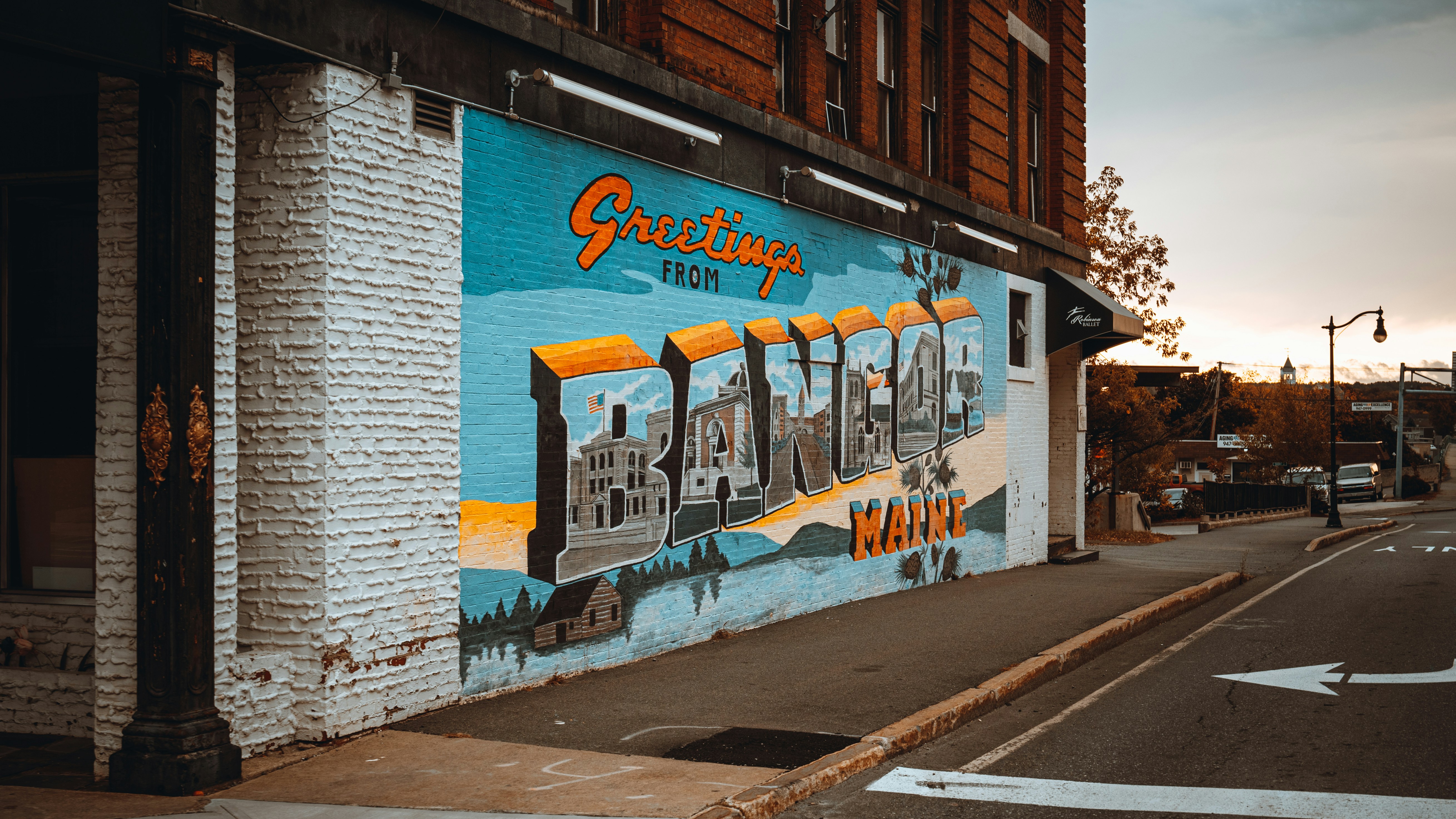
Maine opens comment on IDD Lifespan Waiver
This blog breaks down what the role involves, how to get started, and what to expect as you build a meaningful career supporting individuals with intellectual and developmental disabilities.
This blog breaks down what the role involves, how to get started, and what to expect as you build a meaningful career supporting individuals with intellectual and developmental disabilities.

New York awards $25M to expand healthcare access
This blog breaks down what the role involves, how to get started, and what to expect as you build a meaningful career supporting individuals with intellectual and developmental disabilities.
This blog breaks down what the role involves, how to get started, and what to expect as you build a meaningful career supporting individuals with intellectual and developmental disabilities.